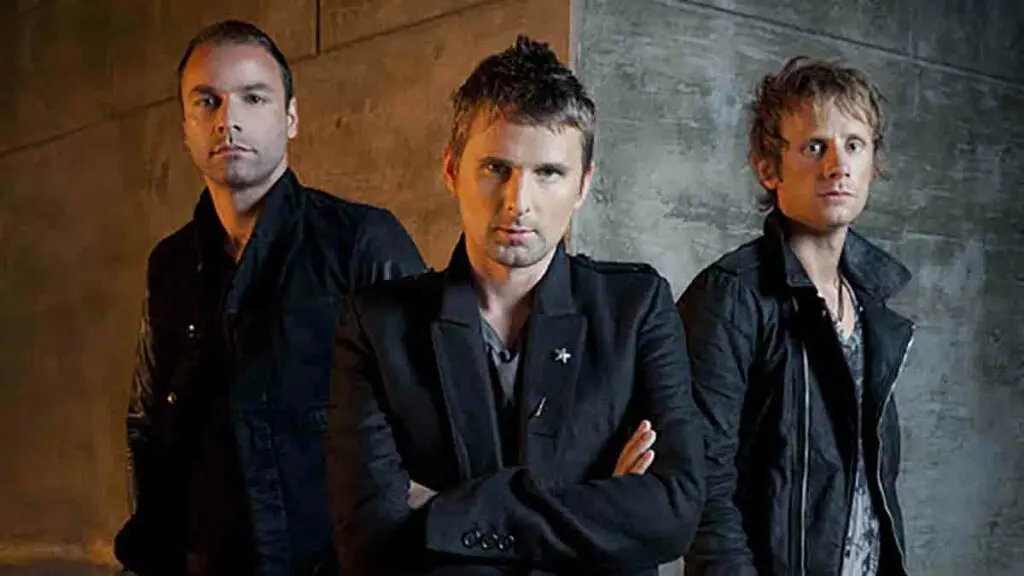
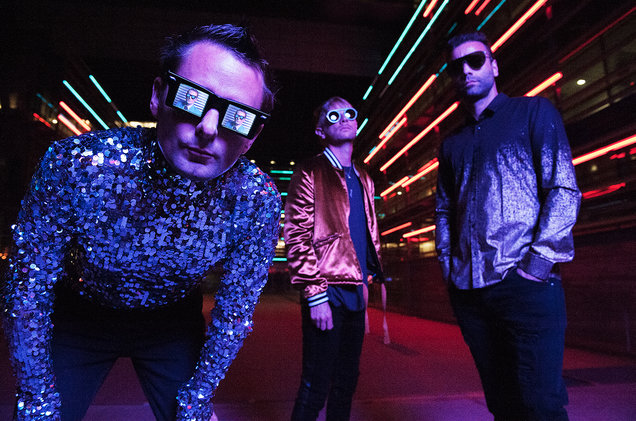
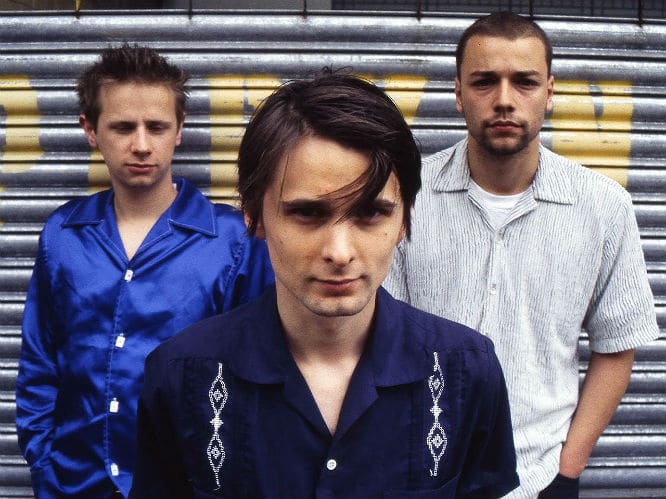
The British rock band Muse formed in the small town of Teignmouth in 1994. The band included talented musicians Matt Bellamy, Chris Wolstenholme, and Dominic Howard. Initially, the young men performed gothic rock under the name Rocket Baby Dolls. Thus began the story of the future winners of two prestigious Grammy Awards.
Then came their first landmark performance at a local band competition. The members put on a real show on stage and completely smashed their equipment. This daring stunt unexpectedly brought the budding artists a well-deserved and resounding victory. However, it was this moment that marked the beginning of a major change in their image. Meanwhile, the musicians began to consider a more suitable name for the project.
The band soon officially changed its previous name to the shortened word "Muse." The members considered this the most suitable option for advertising posters. Furthermore, Teignmouth itself was home to legends of a mystical muse hovering over the town. Residents associated this with the emergence of a large number of creative groups. Thus, the new name quickly took on a special, profound meaning for the musicians.
The band then began actively rehearsing and developing their unique sound. Matt Bellamy combined powerful vocals with virtuoso keyboard playing. The rhythm section of bass and drums provided incredible density and drive. Furthermore, the artists immediately prioritized sincerity and professionalism in their performances. This lineup remains unchanged and continues to delight millions of fans worldwide.
The childhood of the members of the Muse group
Matt Bellamy, Chris Wolstenholme, and Dominic Howard are childhood friends from Teignmouth. Matt Bellamy didn't see the town as a pleasant place to live permanently. He considered the local atmosphere vibrant only during the summer tourist season. However, after the season ended, the young man felt trapped. Music became his only escape from this depressing environment.
Then, an interesting fact about the band's origins came to light. None of the Muse musicians were born in Teignmouth itself. The band's frontman, Matt Bellamy, was born in Cambridge in 1978. His father, George Bellamy, was a guitarist for the 1960s rock band The Tornados. Furthermore, their family moved to Devon only after a decade of living elsewhere.
Soon, serious family changes occurred in the life of young Matt Bellamy. His parents, Marilyn James and George Bellamy, officially divorced after a long marriage. The fourteen-year-old was forced to move in with his grandmother to be raised. The new family's financial situation at the time was precarious due to a lack of funds. However, it was this difficult period that spurred the young man to pursue independent creative work.
Music then became central to the future famous frontman's life. Playing instruments was always considered a natural and familiar part of the family. Matt Bellamy began actively practicing songs at his grandmother's house. His older half-sister and younger brother also witnessed his early successes. The artist now calls those years the most important stage in the development of his unique talent.
Love for music since childhood
Matt Bellamy began playing the piano at the age of six. After his parents' divorce, the guitar became a more natural instrument. As a child, the future artist also attempted to master the clarinet and classical violin. However, these studies didn't bring him true creative satisfaction or joy. So he decided to focus on learning his favorite guitar chords on his own.
Then, in high school, Matt Bellamy qualified for free classical guitar lessons. This was made possible by his high achievements in school music. This period of study remained the only opportunity he received professional training from teachers. Later, the musician began actively incorporating classical techniques into modern rock arrangements. Furthermore, the young man continually refined his unique technique for performing complex parts.
Chris Wolstenholme was born in Rotherham and moved to Teignmouth at the age of eleven. His mother regularly bought vinyl records of popular international artists. This family passion greatly influenced the young man's musical taste and abilities. He initially performed as a drummer in a local post-punk band. However, Chris Wolstenholme later switched to bass guitar to collaborate with friends.
Meanwhile, Dominic Howard moved to Devon from Stockport, England. He became seriously interested in percussion instruments at the age of eleven. He was deeply impressed by a live jazz band performance at his school. He immediately began actively practicing and developing his sense of rhythm. Thus, in Teignmouth, the core of the future legendary Muse lineup was formed.
Formation of the group Muse
Matt Bellamy and Dominic Howard began communicating through shared interests. At the time, the future frontman owned an Amiga 500 computer with expanded memory. Dominic Howard often visited his friend to play video games and have long conversations. These meetings later evolved into serious discussions about plans to create a musical project. Thus began a strong friendship between the two future founders of the legendary British band.
Then Dominic Howard invited Matt Bellamy to join his band, Carnage Mayhem. At the time, the talented guitarist didn't yet have a stable lineup. Around this time, the young men met Chris Wolstenholme, who was then performing as a drummer in another local band. However, over time, the friends' old bands began to gradually disband for various reasons.
Soon, Matt Bellamy and Dominic Howard were left without a permanent bassist. Chris Wolstenholme made the decisive decision to give up drums to help his bandmates. He quickly mastered bass guitar and seamlessly integrated into the new creative team. Now the trio was ready to seriously work on their own unique material. Thus, at the age of fourteen, the core of the future band Muse had formed.
Then Matt Bellamy showed a keen interest in writing his own original songs. He categorically refused to limit himself to performing popular cover versions of other people's songs. Initially, the band had another vocalist perform the prepared musical sketches. Matt Bellamy often came to his home to collaborate on new lyrics. However, later, the Muse frontman decided to take on the role of lead vocalist.
First meeting of participants and name change
Chris Wolstenholme first met Matt Bellamy at a football pitch in Winterbourne. He often remembers the future frontman as a rather mediocre football player. Then Chris Wolstenholme met Dominic Howard at a local concert. The friends immediately recognized the great musical talent of their new school acquaintance. Thus, Matt Bellamy and Dominic Howard decided to invite him to their band.
Matt Bellamy tried for a long time to convince Chris to change bands for the sake of creating music together. He persistently encouraged his friend to abandon the unpromising project and start something new. Eventually, by the age of sixteen, the musicians formed their first serious lineup. Initially, the band performed under the macabre name Rocket Baby Dolls. However, even then, the members were already planning to make a name for themselves at a major competition.
The band then took part in their first Battle of the Bands competition. Matt Bellamy and his friends adopted an aggressive gothic look for their performance. They appeared on stage wearing heavy makeup and were very provocative. They played extremely violent music and completely destroyed their equipment in the finale. This outburst shocked the judges and earned them an unexpected victory.
Soon after this triumph, the artists chose the short name "Muse." The name looked great on any advertising poster and was easy to remember. The musicians had also heard the legend of a mystical muse hovering over their hometown. Locals believed it was the reason for the emergence of a huge number of local talents. Today, this laconic name is familiar to millions of fans of quality British rock.
The origins of Muse's success
For the 2001 album Origin of Symmetry, the band took an experimental approach. Matt Bellamy made extensive use of his unique falsetto singing in the new songs. The musicians harmoniously combined classical piano parts with heavy guitar sounds. In the studio, they even used a church organ and a vintage Mellotron synthesizer. In this way, the band created their own unique and highly complex musical canvas.
The band then surprised critics by using animal bones for the drums. These bold sonic solutions added a unique atmosphere and depth to the album. In the UK, the album immediately received high praise and positive reviews. However, it wasn't released in the United States until four years later, due to a serious conflict between the musicians and their American label, Maverick Records.
Representatives from Maverick Records asked Matt Bellamy to completely re-record all his vocals. The producers deemed his high falsetto too unusual for local radio. The label demanded a more commercial and accessible sound. However, the members of Muse categorically refused to alter their unique creative style. Ultimately, the band made the decisive decision to immediately terminate their contract with the label.
The band then transferred to Warner Bros. to work in America. The musicians' principled stance only strengthened their reputation among devoted rock fans. The album "Origin of Symmetry" eventually became a true classic of the modern alternative genre. It demonstrated the band's unwillingness to compromise creatively. Today, this album is considered one of the most important works in Muse's history.
Breakthrough album Absolution
After signing with Warner Bros. Records in the US, the band released Absolution. This third studio album was officially released on September 15, 2003. The album brought the band long-awaited and widespread success in the American music market. The popular singles "Time Is Running Out" and "Hysteria" became hits on MTV. Absolution thus received its first gold certification in the United States.
The band then continued to actively develop their signature classic rock sound. In his new lyrics, Matt Bellamy masterfully explored themes of science and global conspiracies. He also frequently mused on theology and mysterious supernatural phenomena in his songs. Futuristic and computer-generated motifs also became more prominent in the compositions. Meanwhile, Muse were confidently becoming one of the most intellectual bands of our time.
Soon, the band headlined the renowned Glastonbury Festival. This spectacular show took place in front of thousands on June 27, 2004. Matt Bellamy called it the best concert of their lives right from the stage. However, the joy of triumph was overshadowed by a sudden and very sad event. Shortly after the show concluded, news broke of a tragedy in the drummer's family.
Then it was revealed that Dominic Howard's father had died of a heart attack after the concert. Bill Howard had witnessed his son's triumphant performance on the festival's main stage. This tragic event became a serious test for all members of the British band. Matt Bellamy later noted the significance of his father's witnessing the band's finest moment. This period in Muse's history is now remembered as a time of great triumphs and profound losses.
Album Black Holes and Revelations
Muse's fourth studio album was officially released on July 3, 2006. The record received rave reviews from leading music critics and international publications. Musically, this work encompassed a wide range of alternative rock genres. Matt Bellamy masterfully infused the compositions with elements of classical and modern techno, significantly expanding the boundaries of their familiar sonic range.
Matt Bellamy then continued to lyrically explore themes of space and conspiracy theories. The band released landmark singles "Knights of Cydonia," "Supermassive Black Hole," and "Starlight." These songs instantly became massive hits in many countries around the world. The new sound allowed the artists to finally achieve the status of stadium stars. Furthermore, the band began to sell out huge venues on every continent.
Muse soon set an incredible record at London's newly rebuilt Wembley Stadium. The band sold out their epic show in forty-five minutes. Due to the overwhelming demand, the band was forced to immediately announce a second concert. This historic event took place on July 16, 2007, to a sold-out crowd. Meanwhile, the band began confidently conquering major American venues like Madison Square Garden.
The artists then embarked on a massive world tour to support their successful release. The tour covered virtually every key region from 2006 to 2007. Fans worldwide enthusiastically embraced the new songs and their complex visual show. Muse demonstrated a high level of professionalism and unique stage presence. This period is now considered the band's final transformation into global rock legends.
The Resistance album
Their fifth studio album, The Resistance, was released on September 14, 2009. This record marked the band's first entirely self-produced effort. The release immediately topped the charts in nineteen countries, including their native UK. On the US Billboard 200, the album confidently reached number three. Thus, the band demonstrated their ability to work successfully without the help of outside producers.
The album then earned Muse their first prestigious Grammy Award in 2011, winning the Best Rock Album award for that year. Music critics praised its ambitious sound with elements of classical symphony. The lyrics continued to explore themes of political resistance and personal freedom. Furthermore, the album cemented the band's status as leading intellectuals in the contemporary rock scene.
The artists soon embarked on a massive world tour to support their new release. In September 2010, Muse headlined Wembley Stadium for two consecutive nights. The show featured complex visual effects and a unique rotating tower-shaped stage. The band also opened for U2 on their record-breaking 360 Degrees Tour. Meanwhile, the British trio's popularity in the United States reached its peak.
The band's touring schedule then expanded to South America in early 2011. Fans in these new markets enthusiastically embraced their live performances of their hits "Resistance" and "Uprising." The musicians demonstrated incredible teamwork and exceptional sound quality in open-air venues. This tour became one of the most commercially successful in the band's history. The period of work on this album is now considered a time of absolute triumph for Muse.
The 2nd Law album
The band's sixth studio album was officially released on September 28, 2012. Muse members served as the primary producers of this ambitious musical project. The album's sound was noticeably influenced by Queen, David Bowie, and electronic artist Skrillex. The band thus presented listeners with a bold blend of classic rock and modern dubstep.
The single "Madness" then topped the prestigious Billboard Alternative Songs chart for nineteen weeks, breaking the previous chart-topping record held by the renowned band Foo Fighters. The song received overwhelming support from radio stations and devoted listeners worldwide. Furthermore, "Madness" was chosen as the official anthem for the London Summer Olympics. Meanwhile, interest in the musicians' new work continued to grow rapidly.
The 2nd Law received a Grammy nomination in 2013. Critics praised the band's mastery of complex electronic and symphonic arrangements. The lyrics addressed global issues of thermodynamics and the endless consumption of the planet's resources. However, the musicians retained their signature drive and melody in each new track. Thus, the band confirmed their status as leading experimentalists on the contemporary music scene.
The band then embarked on a massive world tour utilizing innovative stage technology. The artists performed against the backdrop of a giant LED pyramid and complex visual installations. Each concert became a spectacular multimedia show for tens of thousands of devoted spectators. The band also continued to sell out the largest stadiums in Europe and America. The period of work on this album is now considered the band's period of greatest technical advancement.
Drones Album
Muse's seventh studio album is a heavier rock work than their previous releases, largely due to the involvement of legendary co-producer Robert John Mutt Lange. The record presents a cohesive conceptual story about humanity in a modern technological world. The band thus returned to a classic guitar sound after extensive electronic experimentation.
The album then offered listeners straightforward rock compositions like "Dead Inside" and "Psycho." However, the disc also featured more structurally complex songs like "Mercy" and "Revolt." The album was officially released in June and immediately reached number one in the UK. Furthermore, for the first time in the band's history, the album topped the US charts. Meanwhile, the band's popularity in the American market reached its all-time high.
Later, in February 2016, Muse received their second Grammy Award for this project. The award for Best Rock Album confirmed the high professional level of the entire team. During their world tour, the musicians used real drones flying directly over the heads of the audience. Recordings of these unique performances were later shown in cinemas around the world. Thus, the band once again amazed fans with the incredible scale of their concert show.
The band members then began actively preparing for their next studio album. The new album, Simulation Theory, was inspired by the neon aesthetic of the 1980s. The musicians released a series of successful singles titled "Dig Down," "Pressure," and "The Dark Side." The official release of their eighth album took place in November, amidst intense media attention. This period of Muse's career is now considered their most striking visual transformation.
Muse: Return to Roots and New Hits
Rock band Muse celebrated the anniversary of their second studio album. The musicians presented fans with a special remastered album, Origin of Symmetry: XX Anniversary RemiXX. This collection features modern remixes of twelve of the band's signature tracks, giving their old hits a completely new and relevant sound.
Then came a long period of creative silence for the renowned British trio. For four years, the band members released no new material. However, in December 2021, they unexpectedly unveiled the powerful track "Won't Stand Down." This work immediately attracted the attention of critics with its heavy and aggressive sound. Furthermore, the composition became the first sign of a full-length album in the works.
The official music video for the new song was filmed in Kyiv, Ukraine. The visuals were created by renowned and talented director Jared Hogan, who previously achieved acclaim for his successful work with artists such as Joji and Girl In Red. The video is dark and atmospheric, in keeping with the best traditions of the band's early work. This allowed Muse's visual style to gain new and interesting dimensions.
The single "Won't Stand Down" quickly topped many alternative charts worldwide. Fans enthusiastically welcomed the musicians' return to their signature guitar drive. The artists demonstrated their ability to create energetic music even after a long hiatus. Furthermore, this release paved the way for the subsequent massive success of the album "Will of the People." This period is now considered the beginning of a new golden era in the legendary band's history.
Interesting facts about Muse
The band's frontman, Matt Bellamy, earned a place in the Guinness Book of World Records for his passion for instrument destruction. During one tour, the musician smashed 140 guitars on stage. This expressive behavior has become a hallmark of the British band's live performances. It's a way for the artist to express his emotions and maintain a true rock 'n' roll drive.
The unique vocal abilities of the famous band's frontman are also worth noting. Matt Bellamy possesses a rare and wide vocal range of three and a half octaves. His ability to hit very high falsetto notes amazes many professional vocal coaches. Furthermore, the singer often employs complex operatic techniques in his modern rock compositions. Meanwhile, his performance style remains one of the most recognizable in world music.
Muse's work has always been heavily influenced by serious classical composers. Matt Bellamy often draws inspiration from the works of Sergei Rachmaninoff and Frédéric Chopin. The musicians masterfully weave complex piano parts into the heavy guitar sound of their albums. They strive to combine classical music with the energy of modern alternative rock. In this way, the band creates its own unique, intellectual style to the delight of music lovers.
The band members then developed a keen interest in exploring various theories about space and extraterrestrial life. Matt Bellamy is deeply interested in astrophysics and frequently reads scientific literature on these topics. Many of the band's lyrics address questions about humanity's existence in the universe. The musicians even seriously discussed the possibility of recording one of their future tracks in space. Muse is now rightfully considered the most "cosmic" band on the British scene.
Muse: Contemporary Projects and Achievements
In 2022, the band released their ninth studio album, Will of the People. The record quickly reached number one on the official UK charts. The musicians presented listeners with a powerful blend of hard rock and modern electronica, thus proving their ability to create relevant hits in the digital age.

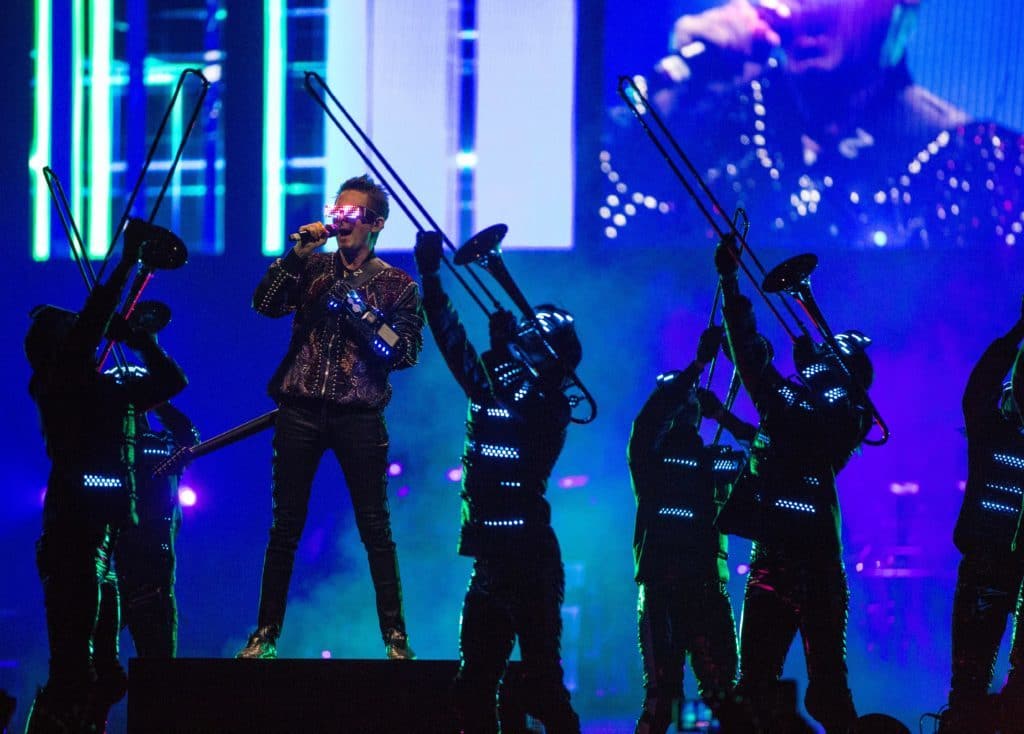
The artists then embarked on a massive world tour, taking in the world's largest stadiums. The band's concerts amazed audiences with their incredible scale and complex sets. Muse made extensive use of giant robots and cutting-edge laser systems in their performances. Furthermore, the band received a prestigious award for best live performance of the year. Meanwhile, Matt Bellamy continued to experiment with new sound effects on stage.
Later, the musicians released a special anniversary edition of one of their most important albums. The release included rare archival recordings and video footage from past concerts. This event generated great interest from longtime fans and music critics. However, the band members immediately began working on completely new ideas. In this way, the group maintained a balance between its illustrious history and its future development.
The band then began preparing to record their next experimental album. The artists announced the use of innovative technologies to create a unique sound. They plan to hold a series of exclusive concerts in unusual formats. Furthermore, Muse continues to actively support global environmental initiatives. The band is currently in excellent creative form and is preparing surprises for fans.