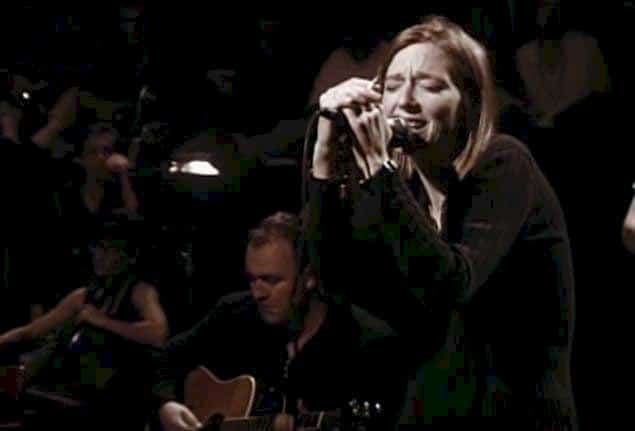
The British band Portishead created a unique musical movement in the early 1990s. The band masterfully combined lo-fi aesthetics with deep jazz elements. The musicians actively combined melancholic ambient music with classic cool jazz. Live instruments harmoniously intertwined with the sounds of analog synthesizers.
However, the press quickly coined a new term for this avant-garde sound. Journalists and critics began calling the group's work trip-hop. The band members themselves always openly opposed any labels. The musicians considered the confines of one specific genre too restrictive for their art.
The Birth of a Bristol Phenomenon and Geoff Barrow's First Steps
The new musical group officially formed in 1991 in the UK. The musicians chose the port city of Bristol as their base. The original name of the project, Portishead, has a strictly geographical origin. The band was named after a small nearby coastal town.
The band's key founding member spent his childhood in this quiet provincial spot. Renowned musician Geoff Barrow spent his teenage years there. He then moved to a major cultural center. At eighteen, he began playing drums in various youth groups.
However, the talented young man quickly found his way into the local cutting-edge music scene. Soon, Geoff Barrow landed a job at the renowned Coach House Studios. The young professional successfully mastered the professions of sound engineer and sound producer. He spent his daily time working on complex mixing and arranging other people's tracks.
Within the studio, Geoff Barrow met the legendary musicians from Massive Attack. The young producer then began collaborating with the renowned artist Tricky. He created a brilliant track for the popular Swedish singer Neneh Cherry. The musician also produced high-quality remixes for renowned bands Depeche Mode and Primal Scream.
A fateful pub encounter and Bristol's cultural cauldron
One day, Geoff Barrow accidentally walked into an ordinary English pub. The musician heard an incredible female voice there. The stranger on stage was emotionally performing famous Janis Joplin songs. Her singing instantly captivated the experienced producer.
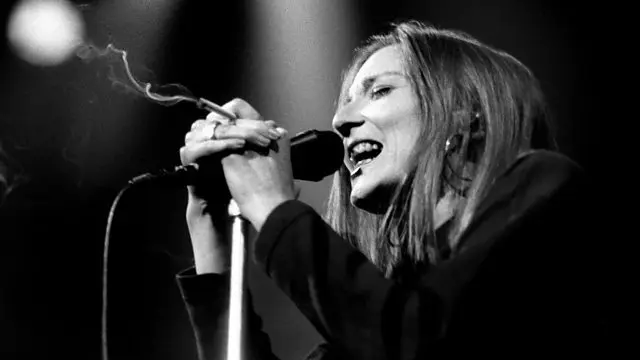
The talented vocalist at the bar turned out to be a young woman named Beth Gibbons. She grew up on a remote English farm with her parents. At twenty-two, Beth Gibbons was determined to become a professional singer. However, to realize her dream, this provincial girl had to make a lucky trip to Bristol.
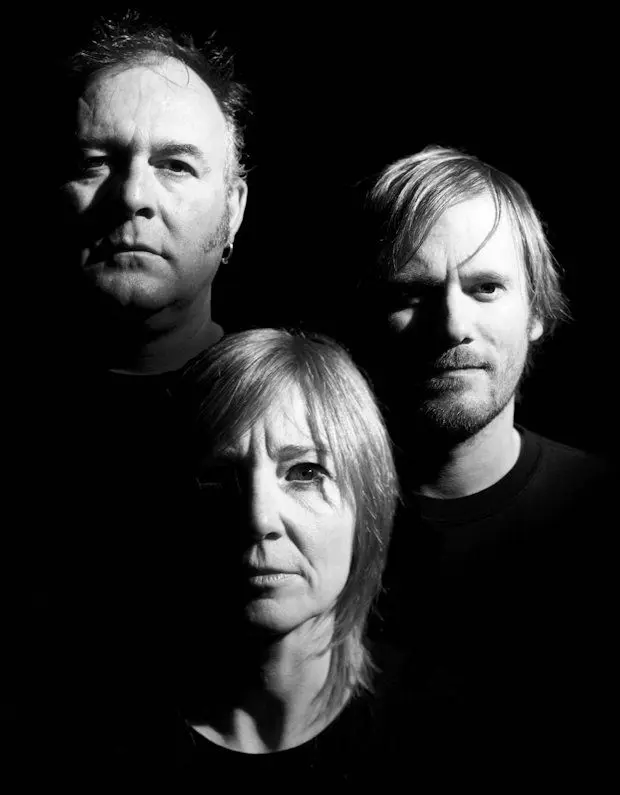
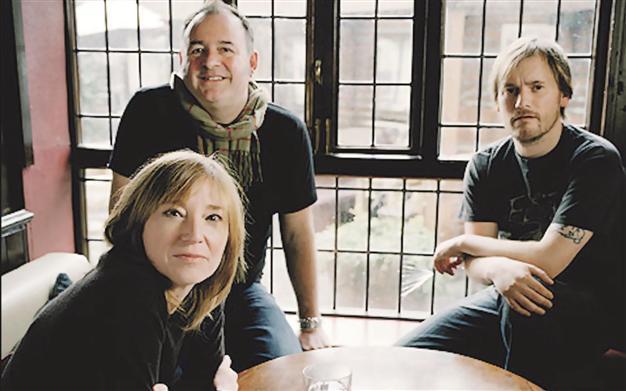
The third key member of the new band was experienced guitarist Adrian Utley. Each member of the band brought their own unique backgrounds. Thus, three completely different British musicians combined their creative efforts. During this same period, a unique underground scene was developing in the city.
In the 1980s, the port city of Bristol welcomed immigrants from all over the world. These newcomers expressed their complex feelings through contemporary street art. It was in this multicultural atmosphere that the underground artist Banksy first became known. Numerous music bars opened in the city to host international festivals.
The birth of the Bristol sound and Portishead's first experiments
Various musical genres constantly mingled in this unique youth environment. Local musicians actively combined elements of reggae, hip-hop, jazz, punk, and rock. Gradually, the city's famous Bristol sound emerged. This style was distinguished by a distinctive melancholy, somberness, and a deep, bright spirituality.
In this creative atmosphere, Geoff Barrow and Beth Gibbons began working together. Geoff took on the role of lead composer and arranger for the project. Beth wrote the soulful lyrics and performed the vocals. The duo then decided to showcase their first efforts to the world.
However, the musicians didn't begin their journey with a standard studio album. The creative duo independently produced a full-length original short film, "To Kill a Dead Man." The duo composed the entire soundtrack for the film. It was in this film that the future hit "Sour Times" was first heard.
The film's plot was a dark romance and spy story in the style of classic art house. Geoff Barrow and Beth Gibbons personally played the lead roles in their film project. The musicians considered the involvement of outside professional actors to be completely unnecessary. Thus, the unusual short film attracted the serious attention of representatives of the major British label Go! Records.
The Making of Dummy and Portishead's New Team Members
The legendary band's debut album, simply titled "Dummy," featured eleven original compositions. The tracklist included well-known songs like "Mysterons," "Sour Times," "Strangers," and "It Could Be Sweet." Listeners then enjoyed tracks like "Wandering Star," "It's A Fire," "Numb," and "Roads." The album concluded with atmospheric recordings like "Pedestal," "Biscuit," and "Glory Box."
At this crucial moment, talented jazz guitarist Adrian Utley officially joined the band. The experienced musician quickly became the third permanent member of the Bristol project. Furthermore, sound engineer Dave McDonald made a significant contribution to the recording process. The band held long sessions at his personal recording studio, State of the Art.
Before joining the band, Adrian Utley had worked with many renowned jazz artists. The guitarist successfully collaborated with the legendary American drummer Arthur Blakey. He then helped record tracks for renowned jazz pianist John Patton. Thus, the new member brought a wealth of professional live experience to the band.
Adrian Utley was also widely known in the music world for his unique personal collection. The guitarist spent many years collecting rare vintage musical instruments and antique sound equipment. However, the members of Portishead turned out to be extremely shy and private people. The musicians have always sincerely disliked unnecessary publicity surrounding their work.
Stealthy Marketing and Portishead's Chart-Climbing Success
The British artists categorically refused to give standard interviews to major music publications. Management at Go! Records was forced to seek alternative methods of promoting their new material. The label's staff decided to approach the enigmatic group's promotion from a completely different angle. They quickly prepared and released several very unusual and bizarre music videos.
This original visual approach immediately sparked widespread interest among a sophisticated audience. As a result, the Bristol band's major debut was duly recognized by the reputable music press as 1994 approached. Portishead's original tracks quickly began to top the major national charts. Then, the popular American television channel MTV began actively playing the single "Sour Times."
Following this resounding television success, the producers immediately released the album in huge print runs. The renowned world magazine Rolling Stone officially named Dummy the most important musical event of the year. The band's songs were played on all the trendy European radio stations. Music critics predicted a long and successful career for the Bristol trio.
Thus, the band's secrecy from the press only fueled interest among a wider audience. The album's dark yet spiritual atmosphere captivated millions of listeners worldwide. The band's debut album later earned the status of a cult classic in electronic music. The group instantly became the leading voice of the new avant-garde British sound.
New musical horizons and a triumphant return
After winning the prestigious Mercury Music Prize, work on their next album began in earnest. The band's long-awaited second studio album was officially released in 1997. The musicians decided to give their new, serious work the succinct title "Portishead." The new melancholic compositions instantly captured the hearts of an even wider audience worldwide.
Listeners were once again captivated by the incredible performance of seasoned British guitarist Adrian Utley. The captivating and deep voice of vocalist Beth Gibbons also played a key role. Influential music critics enthusiastically hailed the singer as the modern-day Billie Holiday of electronic music. The band's experimental sound has become even more mature, complex, and cinematic.
The musicians then decided to significantly expand the instrumentation they were used to on the recordings. John Cornick's deep-sounding trombone appeared for the first time in the band's new studio recordings. Listeners also heard classical violin by Stuart Cooper, organ, and piano by John Baggot. Renowned performers Andy Hague, Ben Waghorn, and John Cornick brilliantly recorded the horn parts.
The second album was extremely well received by leading international critics and journalists. Soon after its successful release, the band embarked on a massive concert tour. They performed live in numerous cities across Britain, Europe, and the United States. Thus, the Bristol band firmly cemented their status as stars of the global alternative scene.
Full list of tracks on the album of the same name
Portishead's second album consisted of eleven original and deeply atmospheric tracks. This complex musical release opened with the powerful and dark composition "Cowboys." Listeners were then introduced to the celebrated songs "All Mine," "Undenied," and "Half Day Closing." Each song featured a unique arrangement and deeply dramatic vocals.
The second half of the album's track listing opened with the melancholic and haunting pieces "Over" and "Humming." This was followed by the equally compelling and poignant studio recordings "Mourning Air" and "Seven Months." In these songs, the musicians masterfully combined live instruments with electronic samples. Simple, short musical phrases created a unique, hypnotic effect.
The iconic 1997 album concluded with three artistically powerful pieces. Audiences highly praised the original electronic tracks "Only You" and "Elysium." The album's finale was a beautiful composition called "Western Eyes." However, the band's live and studio activity in the 1990s didn't end there.
The British band continued to actively develop their signature underground style in the studio. The musicians created unique live arrangements for their old and new songs. The band's performances during this period were distinguished by their incredible emotional intensity and conceptual visuals. These recordings later became a true benchmark for high-quality live electronic music of their time.
In 1998, Portishead recorded a new album, Pnyc. This album is a live album, made up of recordings from the group's performances from different cities of Europe and America. Here appears the string and wind group of musicians. The scale and sensuality of the sound of the new recordings delight music lovers. The album becomes an undoubted success and success.
A long lull and the long-awaited return of Third
The members of this renowned British band have always been known for their exceptional creative perfectionism. They were extremely meticulous when recording each new track. For this reason, the band released no new material until 2008. However, loyal fans of the legendary Bristol band finally got their hands on a new release.
The band's long-awaited new studio album has been given the simple digital title of "Third." The musicians included eleven original compositions on this experimental album. The record opened with the deeply dark and atmospheric tracks "Silence," "Hunter," and "Nylon Smile." Listeners then enjoyed the more profound works "The Rip" and "Plastic."
The second half of the album featured equally powerful recordings from "We Carry On," "Deep Water," and "Machine Gun." The final half featured engaging electronic pieces from "Small," "Magic Doors," and "Threads." The press enthusiastically greeted this unexpected release after the band's long hiatus. The band's transformed sound became even rawer, heavier, and more avant-garde.
The Bristol trio's successful career subsequently continued with exclusively large-scale live performances. The musicians toured extensively around the world until 2015. However, the project released no new studio albums during this period. Thus, the band retreated into the shadows once again, seeking new, unique musical inspiration.
The modern era and rare charitable returns
The members of the legendary Bristol trio have maintained a highly private lifestyle in the current decade. The band hasn't officially announced their breakup, but the musicians have focused on their individual creative pursuits. Renowned sound producer Geoff Barrow is actively creating high-quality cinematic soundtracks. Popular vocalist Beth Gibbons successfully recorded her debut solo album, Lives Outgrown, in 2024. Guitarist Adrian Utley also regularly collaborates with various avant-garde British artists on studio recordings.

However, the iconic band periodically reunites for important global humanitarian initiatives. In May 2022, the musicians took to the stage for the first time in seven years. The band performed a special short concert set at the O2 Academy Bristol. This charity event was entirely organized by the renowned charity War Child UK. All proceeds from ticket sales were donated to aid affected refugees.
Then, in 2023, the artists decided to delight their devoted fans with an archival release. The band officially reissued the celebrated live album Roseland NYC Live in an expanded version. The musicians carefully restored the old audio tracks and added songs previously cut from the album. This unexpected gift sparked a wave of genuine nostalgia in the global music press. Critics once again began actively discussing the significant historical legacy of the main pioneers of the trip-hop genre.
In September 2025, the trio once again joined forces for a large-scale project. Legendary British composer Brian Eno invited the Bristolians to participate in the charity concert "Together for Palestine." The band recorded an exclusive black-and-white studio video featuring a string quartet. The musicians gave an emotional performance of their iconic composition "Roads" for a broadcast at Wembley Arena. In this way, the band continues to use their influence exclusively to support important humanitarian missions.